
How Much Does a Marketing Agency Cost?
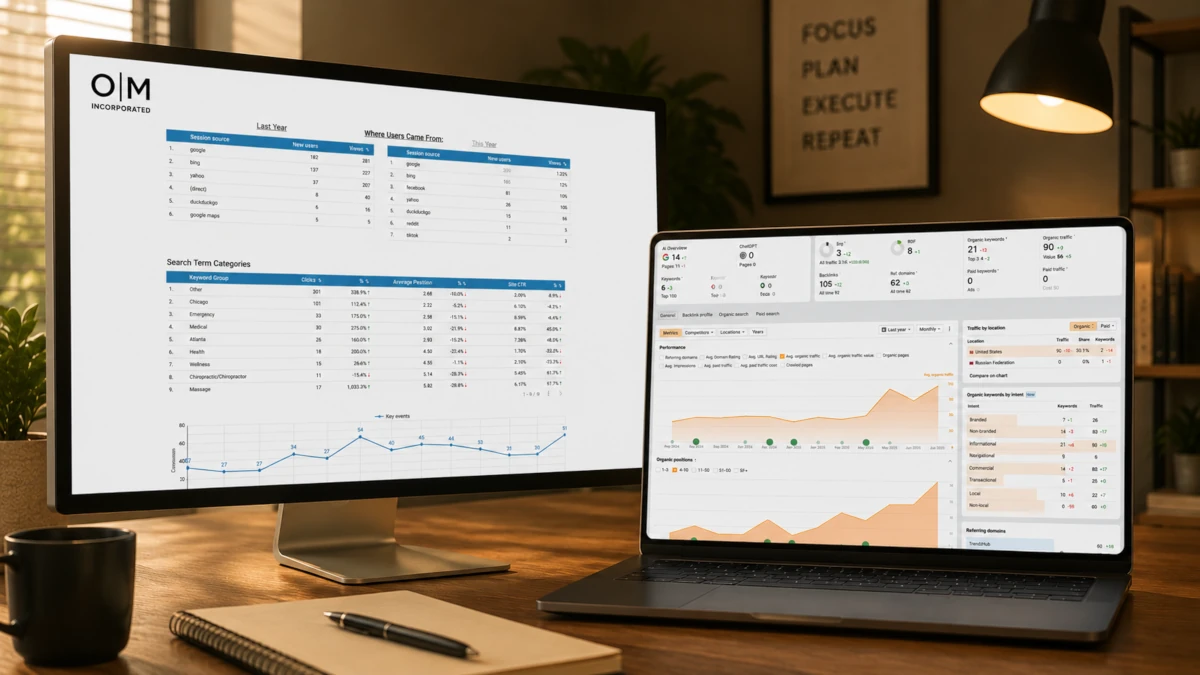
The cost of hiring a marketing agency depends on the services you need, the complexity of your campaigns, and how the agency structures its fees. Businesses may pay a monthly retainer, a fixed project fee, a percentage of advertising spend, or a performance-based fee. Advertising budgets, software, and production costs may be charged separately.
So, how much does a marketing agency cost for your business? The right answer starts with understanding what you’re paying for and what that investment should deliver. A lower invoice isn’t always a better deal if the work fails to generate qualified leads, customers, or revenue.
How Much Does a Marketing Agency Cost?

Marketing agency pricing varies because businesses rarely need the same level of service. A company hiring an agency to manage one advertising channel has different requirements from a business investing in SEO, paid media, content, website improvements, and strategic oversight.
Monthly agency fees can cover campaign planning, execution, optimization, reporting, and account management. Project-based services typically have a defined deliverable and completion timeline.
The total investment may also include advertising spend, creative production, tracking tools, and other services outside the agency’s management fee.
Rather than choosing an agency based on price alone, compare the scope of work, expertise involved, reporting expectations, and business outcomes the partnership is designed to support.
At Onymous Media (O|M), we believe every marketing dollar should have a purpose. Our accountability-based approach focuses on connecting marketing investments with qualified opportunities and measurable business performance.
What Factors Affect Marketing Agency Pricing?
The biggest factor affecting marketing agency fees is the amount and complexity of work required to achieve your business goals.
A single-channel campaign may require limited management, while a coordinated marketing strategy can involve several specialists, platforms, and ongoing optimization.
Key cost factors include:
The goal isn’t to purchase the largest service package. It’s to invest in the capabilities your business needs to compete effectively.
Where Do Businesses Overspend on Marketing Agency Services?
Businesses often lose money when they focus on the monthly invoice without understanding what the agency actually delivers.
An inexpensive package may look appealing until essential services, campaign improvements, or meaningful reporting require additional fees. On the other hand, an expensive agreement may include activities that contribute little to your business objectives.
Common warning signs include:
An agency reporting a high volume of inexpensive leads isn’t delivering value if those inquiries fail to turn into paying customers—vanity metrics often mask wasted budget.
A better evaluation connects spending to lead quality, booked appointments, sales opportunities, and revenue. That’s how marketing budgets become tools for making smarter business decisions rather than simply paying for activity.
What Are the Main Marketing Agency Pricing Models?
Marketing agencies commonly structure their fees around ongoing services, individual projects, advertising budgets, or agreed performance outcomes.
Each model has advantages and trade-offs. The best fit depends on the work involved, your marketing objectives, and how responsibilities will be measured.
Monthly Retainer Pricing
A monthly retainer is a recurring fee for an agreed scope of marketing services. It may cover campaign management, strategic planning, SEO, content development, reporting, or a combination of ongoing activities.
Retainers work well for businesses that need consistent marketing support and regular optimization. They provide predictable agency fees and allow campaigns to develop over time.
Before signing, confirm which deliverables are included, how performance reviews work, and whether advertising spend or third-party costs are separate. A fixed monthly payment should still come with clear responsibilities and accountability.
Project-Based Marketing Agency Pricing
Project-based pricing involves a defined fee for a specific deliverable, such as a website redesign, marketing audit, campaign launch, or creative project.
This model can be useful when your business has a clearly defined need rather than an ongoing marketing workload.
A strong project proposal should outline the deliverables, timeline, revision allowances, approval process, and any additional expenses.
Project fees make budgeting straightforward, but they may not include ongoing maintenance, campaign management, or optimization after completion. Clarifying those responsibilities prevents unexpected costs later.
Percentage of Advertising Spend
Some agencies charge management fees based on a percentage of the advertising budget. As advertising spend increases, the management fee increases according to the agreed rate or pricing structure.
This approach is commonly associated with paid media management, where larger budgets may involve more campaigns, testing, reporting, and optimization.
Increasing your ad budget shouldn’t automatically increase agency fees unless it drives proportional strategic effort and clear revenue growth.
Businesses should understand the percentage charged, any minimum fees, which advertising expenses count toward the calculation, and whether the agreement includes additional strategic or creative services.
The agency should also explain how campaign budgets are evaluated so spending decisions remain focused on business performance rather than budget increases alone.
Performance-Based Marketing Agency Pricing
Performance-based pricing connects some or all agency compensation to agreed outcomes, such as qualified leads, booked appointments, sales, or revenue.
This model can create stronger alignment between agency activity and business objectives. However, success depends on clearly defining what counts as a qualifying result.
For example, a submitted form doesn’t necessarily represent a valuable sales opportunity. Lead quality, duplicate inquiries, canceled appointments, and attribution rules all affect how performance should be evaluated.
A well-structured performance agreement establishes measurable goals, reliable tracking, and clear responsibilities for both the agency and the client.
At O|M, accountability is central to how we approach marketing partnerships. We believe agencies should be prepared to demonstrate the business value behind their recommendations and performance reporting.
Which Marketing Agency Pricing Model Is Best for Your Business?

The right pricing model depends on whether your business needs ongoing execution, a specific deliverable, advertising management, or a partnership tied to measurable performance.
A monthly retainer may be appropriate when SEO, paid campaigns, and content require consistent attention. Project pricing can make more sense for a defined website or campaign initiative. Percentage-based fees are worth evaluating when advertising management represents a significant part of the work.
Performance-based agreements may appeal to businesses seeking closer alignment between agency compensation and commercial outcomes, provided both parties agree on measurement.
Before choosing an arrangement, consider:
Your marketing structure also affects the decision. A business with an experienced internal team may only need specialist execution, while another may benefit from broader strategic leadership.
Our guide to in-house marketing vs. agency explores how staffing, agency partnerships, and hybrid models compare in terms of capabilities and total investment.
The strongest choice is the one that gives your business the right expertise, clear responsibilities, and a measurable return on its marketing efforts.
What Is Included in Your Marketing Agency Monthly Cost?
Before comparing quotes, separate the agency’s management fee from the money spent delivering campaigns.
These are two different expenses, and understanding the distinction is essential for evaluating digital marketing agency pricing.
Agency management fees generally pay for the expertise and work involved in planning, managing, and improving your marketing. Depending on the agreement, they may cover strategy, campaign setup, optimization, creative coordination, analytics, and reporting.
Advertising spend is the budget used to place advertisements through platforms such as Google, Meta, and Microsoft Advertising. That money pays for media exposure, clicks, or other advertising placements rather than the agency’s management work.
For example, a hypothetical business paying $2,000 in monthly agency fees and allocating $5,000 to advertising would have a combined monthly commitment of $7,000 before any additional expenses.
This is an illustrative calculation, not O|M pricing.
Request a written breakdown of these expenses. Ask which charges are recurring, which are one-time, and which require separate approval.
A transparent budget makes it easier to evaluate whether your marketing investment is being used effectively.
How Should You Evaluate Marketing Agency Performance for the Money?
A marketing agency should be able to explain what your investment produced and what needs to improve.
Website traffic, impressions, clicks, and engagement can provide useful context. But they shouldn’t be the only numbers driving conversations about performance.
Your reporting should connect marketing activity to outcomes that matter to your business, including:
At O|M, our approach to marketing attribution models looks beyond initial conversion counts to better understand how channels contribute to customer acquisition.
We connect performance discussions with qualified inquiries, sales opportunities, and revenue to help businesses make more informed marketing decisions.
Reliable reporting also means acknowledging what the data cannot establish. Untracked calls, incomplete sales records, and different attribution methods can create gaps between marketing dashboards and actual revenue.
The objective is clear accountability, not simply presenting impressive numbers.
Why Does Marketing Agency Pricing Require Ongoing Accountability?
Marketing costs shouldn’t remain disconnected from performance after an agreement is signed.
Competition changes, advertising costs fluctuate, customer behavior evolves, and business priorities shift. A strategy that worked six months ago may need adjustments to remain effective.
Ongoing accountability means reviewing whether the agency’s work continues to justify the investment.
A productive agency partnership should regularly evaluate:
These reviews should lead to decisions, not just another dashboard presentation.
O|M approaches marketing as a partnership built around shared business goals. We treat your budget with the care we’d give our own, using performance insights to guide decisions and identify opportunities to improve.
Our digital marketing services bring strategy, advertising, SEO, websites, content, and analytics together around measurable business objectives.
Great marketing isn’t about spending more for the sake of spending more. It’s about making smarter decisions with the resources available.
What Should You Confirm Before Hiring a Marketing Agency?
Before committing to an agency, make sure you understand exactly what you’re buying, who’s responsible for delivering it, and how success will be evaluated.
Start with the proposal. A professional agreement should make the scope of work, management fees, advertising responsibilities, and reporting expectations clear.
Confirm the following:
Pay particular attention to how an agency responds when you ask about underperformance.
A trustworthy partner should be willing to discuss challenges, explain recommendations, and identify what can be improved. Guaranteed success without a clear strategy or supporting evidence is a warning sign.
You should also compare the total cost of receiving the capabilities your business needs. An agency fee may be higher than one employee’s salary, but the arrangement may provide access to multiple marketing specialists.
The right decision depends on your business goals, internal resources, and the value of the work being delivered.
Final Takeaway: Invest in Marketing Performance, Not Just Agency Fees
The answer to how much a marketing agency costs depends on the services, expertise, and level of support your business requires. Monthly retainers, project fees, advertising-based pricing, and performance agreements each offer different ways to structure that investment.
The most important question isn’t simply how much you’re paying. It’s what your marketing dollars are doing for your business.
At O|M, we believe in accountability, transparent partnerships, and marketing strategies built around measurable outcomes. Your business deserves more than campaigns that look good on paper. It deserves a team invested in helping you compete, grow, and win.
Ready to make every marketing dollar count? Contact O|M to discuss your goals, marketing challenges, and a strategy built around your business.
When you win, we win.


